
When evaluating cocoa powder for industrial use, buyers need to understand the quality factors that influence performance, consistency, and product safety. These parameters help identify reliable materials suitable for bakery, confectionery, beverage, and wider food applications.
1. Color Consistency
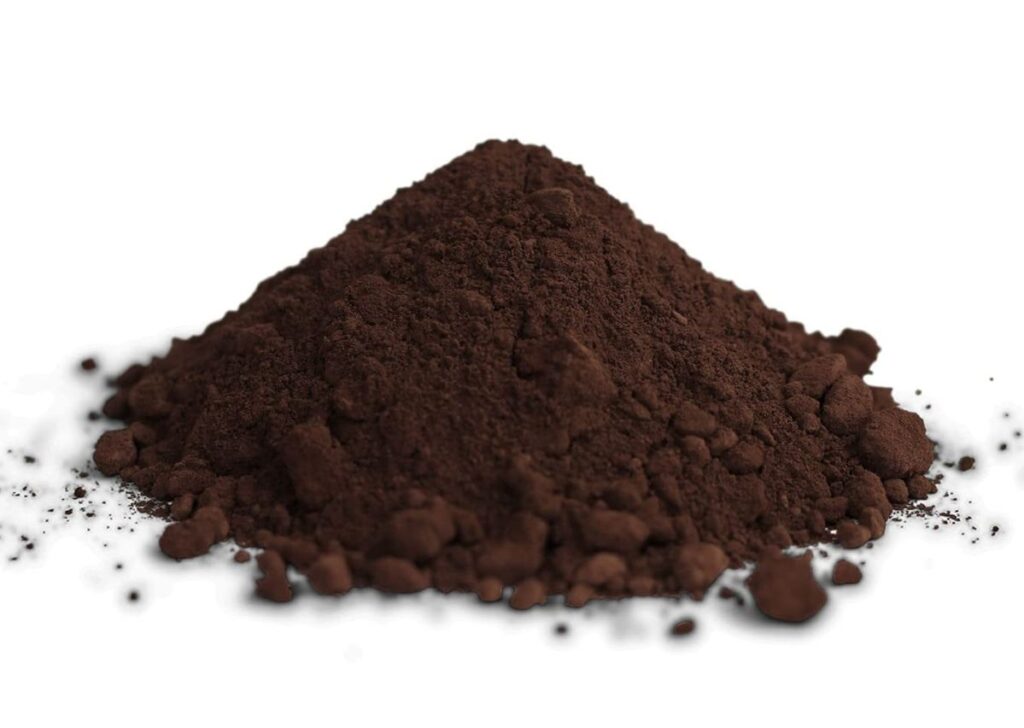
Color provides the first visual cue of a powder’s quality. Uniformity across batches is essential, as it affects the appearance of the final product. Natural, alkalized, and black cocoa each offer distinct shades, but consistency remains key.
2. pH Level
The pH value influences flavor, color reactions, and baking performance.
General ranges include:
-
Natural cocoa: pH 5.0–6.0
-
Alkalized cocoa: pH 6.8–8.1
-
Black cocoa: pH 7.5–8.5
A stable pH ensures predictable results in formulations.
3. Particle Fineness
Mesh size affects texture and solubility. Finer powders dissolve more easily and blend more smoothly.
Typical specifications:
-
99% pass 200 mesh (premium)
-
95% pass 200 mesh (standard)
4. Fat Content
Fat percentage shapes aroma, richness, and mouthfeel. Choose based on product requirements:
-
High fat (20–24%)
-
Medium fat (10–12%)
-
Low fat (8–10%)
5. Moisture and Microbiological Safety
Moisture ideally remains below 5% to prevent clumping and extend shelf life.
Safety testing should confirm:
-
Low total plate count
-
Controlled yeast and mold levels
-
Negative Salmonella
6. Aroma and Flavor Profile
A high-quality cocoa powder should offer a clean, pleasant fragrance without signs of rancidity. Natural variants tend to be brighter, while alkalized types provide a smoother profile. Black cocoa gives a milder aroma due to its higher pH.
7. Solubility
For beverages and instant applications, dispersibility is crucial. Alkalized cocoa generally offers better solubility, making it suitable for drink mixes and dairy products.
8. Contaminant Compliance
Manufacturers exporting to Europe, Australia, or Japan must ensure the powder complies with strict limits on:
-
Cadmium
-
Lead
-
Arsenic
-
Pesticide residues
-
Mycotoxins
Updated laboratory reports help verify compliance.
9. Certifications
Reliable suppliers provide standardized documentation, including:
-
Halal
-
HACCP / ISO
-
FSSC 22000
-
Kosher (optional)
-
Certificate of Analysis (COA)
10. Packaging and Shelf Life
Quality packaging protects the powder from moisture and contamination. Most products maintain a 12–24 month shelf life if stored correctly.
Look for:
-
Food-grade, airtight bags
-
Strong 25 kg packaging or customized options
Conclusion
Assessing factors such as color, pH, fineness, fat content, solubility, and safety helps buyers select cocoa powder that delivers consistent and reliable results across industrial applications. Choosing a trusted supplier ensures quality, compliance, and performance.