
Cocoa powder is known for its rich flavor and distinctive aroma, both of which are the result of complex scientific processes that begin long before the cocoa reaches the factory. From fermentation to roasting, a combination of biochemical reactions and physical changes shapes the final sensory profile experienced by consumers.
The Role of Cocoa Beans
The foundation of cocoa powder’s flavor and aroma lies in the cocoa beans themselves. Different cocoa varieties and growing conditions influence the natural chemical composition of the beans. Factors such as soil quality, climate, and harvesting practices determine the levels of sugars, amino acids, and polyphenols—key compounds that later develop into characteristic cocoa notes.
Fermentation: The First Flavor Development Stage
Fermentation is considered the most critical stage in flavor formation. During this process, natural microorganisms break down sugars in the cocoa pulp, producing heat and organic acids. As a result, enzymes inside the beans are activated, leading to the formation of flavor precursors. Without proper fermentation, cocoa powder may taste flat, bitter, or overly astringent.
Drying and Its Impact on Aroma
After fermentation, cocoa beans are dried to reduce moisture and stabilize quality. At this stage, acidity is gradually reduced, while early aroma compounds begin to form. Controlled drying is essential, as excessive heat or uneven drying can cause undesirable off-notes. When managed correctly, drying helps preserve the delicate balance between bitterness, acidity, and cocoa richness.
Roasting and the Maillard Reaction
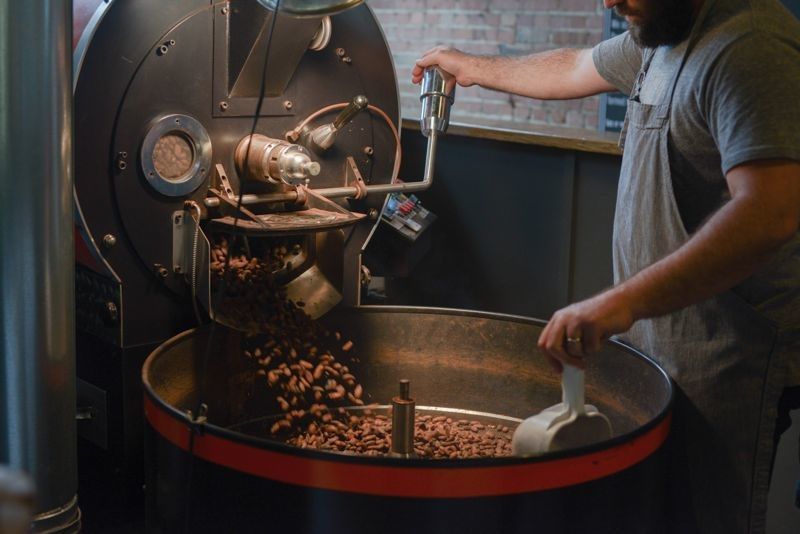
Roasting is where much of cocoa powder’s signature aroma is developed. Heat triggers the Maillard reaction, a chemical process between amino acids and reducing sugars. This reaction produces hundreds of volatile compounds responsible for roasted, nutty, caramel, and chocolate-like aromas. The roasting profile—time and temperature—plays a significant role in determining whether the final cocoa powder tastes mild, intense, or smoky.
Alkalization and Flavor Modification
In some cocoa powders, alkalization (also known as Dutch processing) is applied. This process alters the pH of the cocoa, reducing acidity and deepening color. As a result, the flavor becomes smoother and less sharp, while certain aroma compounds are modified. Although alkalization can soften bitterness, it must be carefully controlled to avoid losing desirable cocoa notes.
Grinding and Particle Size
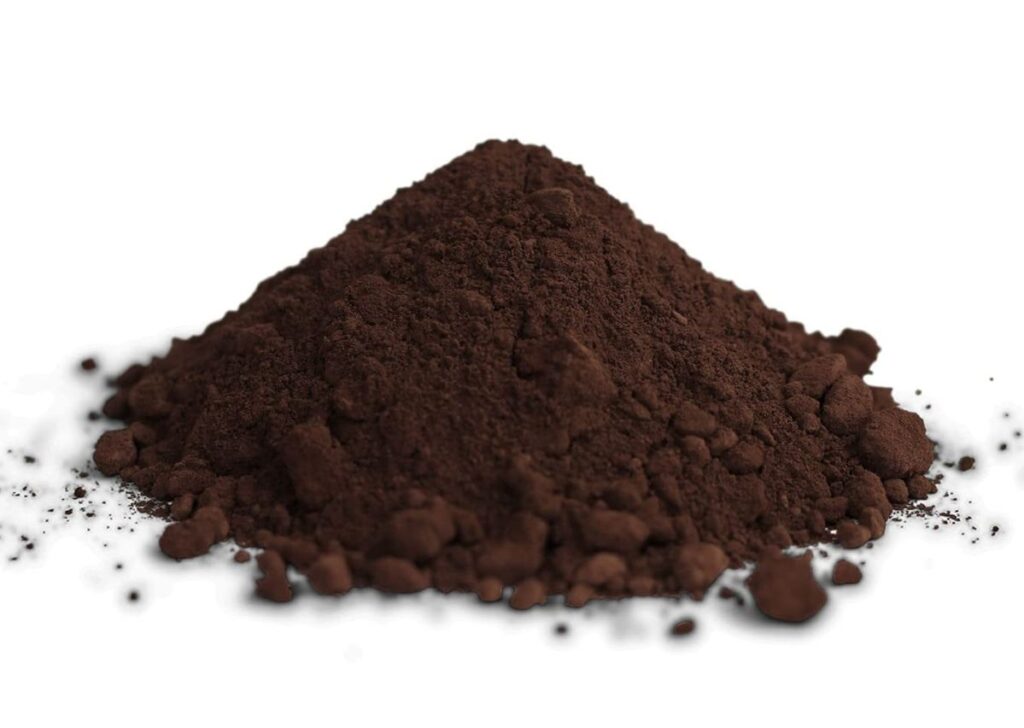
Finally, cocoa cake is ground into fine powder. Particle size affects how flavor and aroma are perceived. Finer particles tend to release flavor more evenly, creating a smoother mouthfeel and more balanced taste. Consistent grinding ensures uniform performance in beverages, bakery applications, and confectionery products.
Conclusion
The flavor and aroma of cocoa powder are shaped by a series of scientific processes that begin at the farm and continue through manufacturing. Each stage—fermentation, drying, roasting, and processing—contributes to the final sensory experience. Understanding this science allows manufacturers to produce cocoa powder with consistent quality, distinctive character, and reliable performance across various applications.