
As global demand for cocoa-based products continues to evolve, cocoa powder manufacturing is entering a new phase of innovation. Today, manufacturers are no longer focused solely on output volume. Instead, attention is shifting toward efficiency, sustainability, consistency, and application-specific performance. Consequently, technological advancement is shaping the future of cocoa powder production in significant ways.
Advancements in Processing Technology
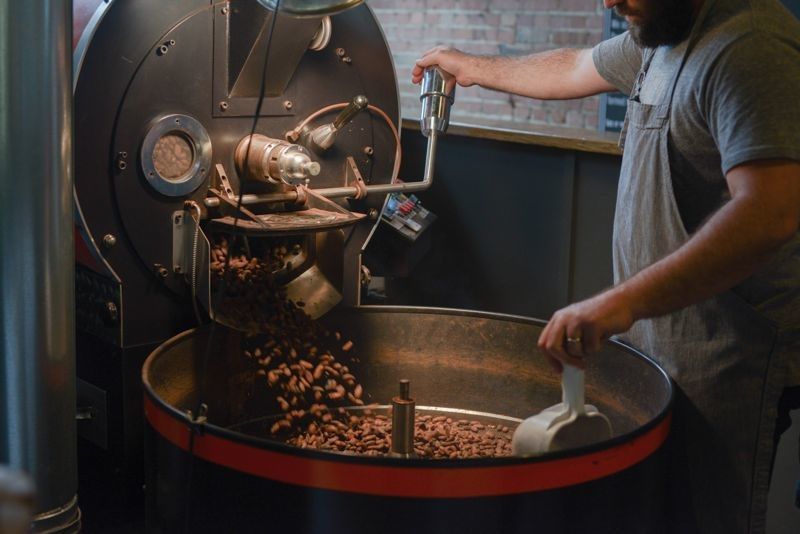
Modern cocoa processing increasingly relies on precise control systems. Automated roasting and grinding technologies are being adopted to ensure consistent flavor development and particle size distribution. As a result, batch-to-batch variability can be minimized more effectively than ever before.
In addition, improved alkalization control allows manufacturers to fine-tune color and flavor outcomes with higher accuracy. This development supports the growing demand for customized cocoa powder specifications across different industries.
Innovation in pH and Flavor Control
Chemical balance management has become more sophisticated. Rather than applying uniform processing methods, manufacturers are now developing tailored alkalization profiles designed for specific applications.
This approach enables better flavor retention, smoother taste profiles, and optimized solubility. Consequently, cocoa powder performance can be aligned more precisely with beverage, bakery, or confectionery requirements.
Sustainability-Driven Manufacturing Solutions
Sustainability is becoming a core driver of innovation. Energy-efficient roasting systems, water-saving alkalization methods, and waste heat recovery technologies are increasingly integrated into production lines.
Moreover, manufacturers are investing in traceable and responsible sourcing models. By improving supply chain transparency and reducing environmental impact, cocoa powder production is gradually aligning with global sustainability expectations.
Functional Cocoa Powder Development
Beyond traditional uses, future innovation also focuses on functionality. Cocoa powders with enhanced dispersibility, reduced bitterness, or improved heat stability are being developed to meet industrial formulation challenges.
At the same time, there is growing interest in application-specific cocoa powders designed exclusively for instant beverages, frozen desserts, or high-fat systems. This shift reflects the industry’s movement toward solution-oriented ingredients rather than generic commodities.
Digitalization and Quality Monitoring
Digital tools are playing an increasingly important role in cocoa manufacturing. Real-time quality monitoring systems now allow producers to track parameters such as moisture content, particle size, and color during processing.
Through data-driven production, deviations can be detected early, reducing waste and improving consistency. As a result, manufacturers gain greater control over both quality assurance and operational efficiency.
The Future Outlook
Looking ahead, innovation in cocoa powder manufacturing will continue to focus on precision, sustainability, and customization. As food manufacturers demand higher performance ingredients, cocoa producers must adapt by combining technical expertise with advanced processing solutions.
Ultimately, the future of cocoa powder lies in intelligent manufacturing—where quality, efficiency, and responsibility are seamlessly integrated.