Acidity and alkalinity levels play a subtle but powerful role in cocoa processing. Although often invisible to consumers, this chemical balance strongly influences how cocoa powder looks, tastes, and performs in different food applications. As a result, manufacturers pay close attention to this factor when aiming for consistent quality.
pH Cocoa Powder: Understanding the Basics
The natural acidity level of cocoa develops during fermentation and roasting. In its untreated form, cocoa powder remains mildly acidic. However, through alkalization, this balance can be adjusted to achieve different functional and sensory outcomes.
Because of this adjustment process, cocoa powder can be tailored to meet specific formulation requirements. Consequently, pH becomes a strategic specification rather than a minor processing detail.
Color Differences Explained by pH Cocoa Powder
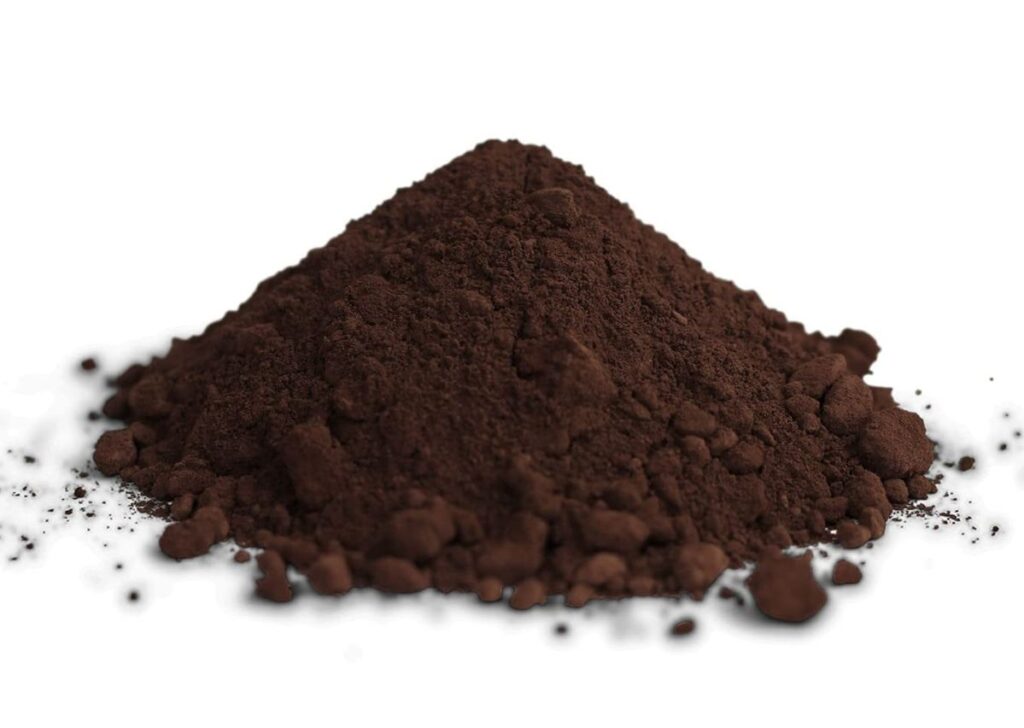
Changes in alkalinity have a direct impact on cocoa powder color. When acidity remains higher, the powder typically appears lighter with reddish-brown tones. As alkalinity increases, the color gradually deepens.
With stronger alkalization, very dark brown or black cocoa powder can be produced. Therefore, controlling this parameter is essential for applications where visual consistency is critical.
How Acidity Influences Taste and Flavor
Flavor intensity and balance are closely linked to acidity levels. Cocoa powder with higher acidity often delivers sharper, brighter taste notes. In contrast, reduced acidity creates a smoother and less bitter cocoa profile.
For this reason, beverage and dairy products commonly favor smoother cocoa characteristics, while some bakery or confectionery products intentionally retain stronger flavor intensity.
pH Cocoa Powder and Functional Performance
Processing behavior is also affected by alkalinity levels. Reduced acidity generally improves dispersibility, allowing cocoa powder to blend more evenly in liquid systems.
In addition, reactions with leavening agents in baked goods depend on this chemical balance. Selecting the appropriate specification therefore supports stable processing and predictable results.
Choosing the Right Cocoa Powder for Each Application
Application requirements vary widely across product categories. Bakery products often rely on precise chemical balance, beverages prioritize smooth texture and solubility, and confectionery focuses on color depth and flavor consistency.
As a result, cocoa powder selection should always align with the intended end use rather than follow a one-size-fits-all approach.
Final Thoughts on pH Cocoa Powder
Chemical balance within cocoa powder defines its overall performance. From appearance and flavor to processing efficiency, acidity and alkalinity influence every stage of production. By managing this factor carefully, manufacturers can achieve consistent quality and reliable outcomes across diverse applications.