Sourcing cocoa powder in bulk is not only about price or availability. For food manufacturers, the bigger challenge is finding a supplier that can consistently deliver the right quality, specification, and supply reliability.
Even small inconsistencies in cocoa powder can affect product color, flavor, processing performance, and production efficiency. Below are some of the most common sourcing problems buyers face—and how to avoid them.
1. Inconsistent Color Between Batches
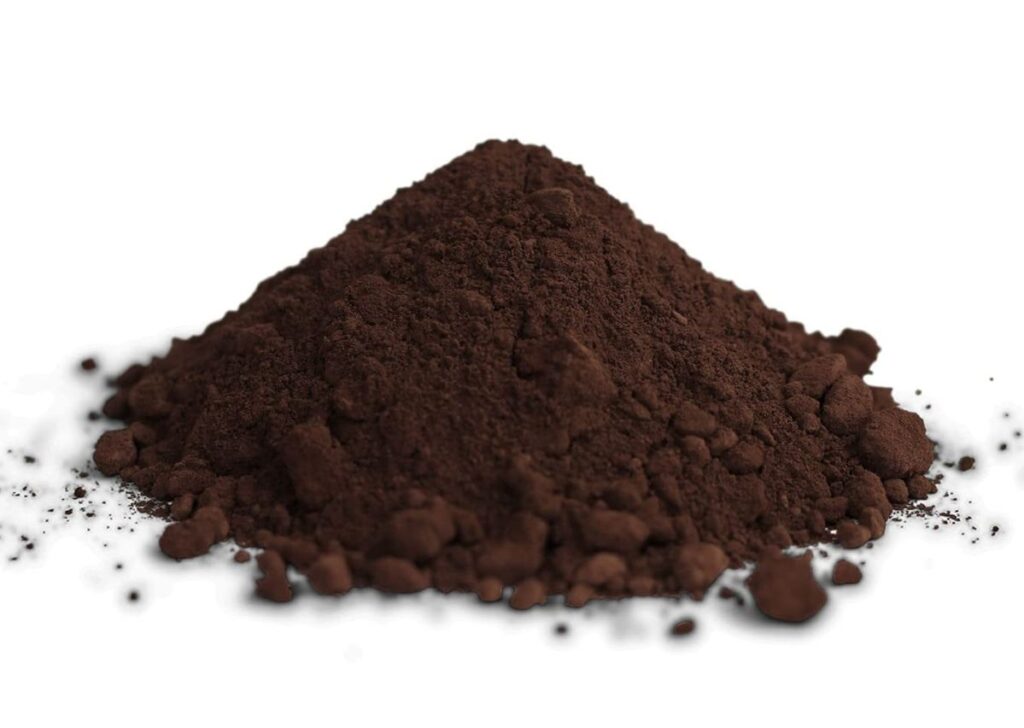
Color inconsistency is one of the most common issues in cocoa powder sourcing. Even small shade differences can affect the final appearance of biscuits, beverages, cakes, and other cocoa-based products.
This usually happens due to inconsistent alkalization or unstable raw material quality.
How to avoid it:
Define color specifications clearly, request batch consistency, and work with suppliers that maintain controlled processing.
2. Unstable Flavor Profile
Cocoa powder directly affects the taste of the final product. If flavor varies between batches, your product can taste weaker, flatter, or more bitter.
This is often caused by inconsistent bean quality, roasting, or processing conditions.
How to avoid it:
Ask how the supplier controls flavor consistency and test repeat batches before scaling.
3. Poor Performance in Production
A cocoa powder may meet specification on paper but still perform poorly in production.
Common issues include poor dispersibility, clumping, sedimentation, or poor flowability in premixes.
How to avoid it:
Evaluate cocoa powder based on real application performance, not just the specification sheet.
4. High Moisture Content
Excess moisture can reduce shelf life, cause clumping, and create storage problems.
It can also affect flowability and increase microbiological risk.
How to avoid it:
Check moisture levels in every COA and ensure proper storage and packaging.
5. Product Does Not Match Specification
One of the most costly issues is receiving cocoa powder that does not match the promised specification or COA.
This can affect pH, fat content, fineness, color, and overall production performance.
How to avoid it:
Verify incoming materials, request pre-shipment samples, and work with suppliers that maintain consistent QC.
6. Delayed Shipments
Late deliveries can disrupt production schedules, inventory planning, and customer commitments.
For industrial buyers, supply reliability is just as important as product quality.
How to avoid it:
Confirm lead times early and choose suppliers with stable production capacity and clear scheduling.
7. Poor Supplier Communication
Slow responses, unclear answers, and incomplete documents often indicate larger operational problems.
Poor communication during inquiry usually leads to bigger issues after purchase.
How to avoid it:
Choose suppliers that communicate clearly, respond quickly, and provide complete documentation.
Final Thoughts
Most cocoa powder sourcing problems do not come from price—they come from inconsistency.
The right supplier should offer more than available stock. They should provide consistent quality, reliable supply, clear documentation, and dependable communication.
In the long run, consistency matters more than cost.