Nusvara Cocoa

superadmin

cocoa production

Cocoa Production and Prices: How Climate Change Impacts Both

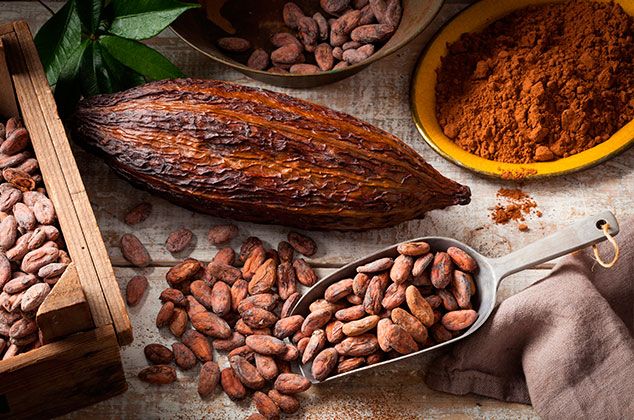
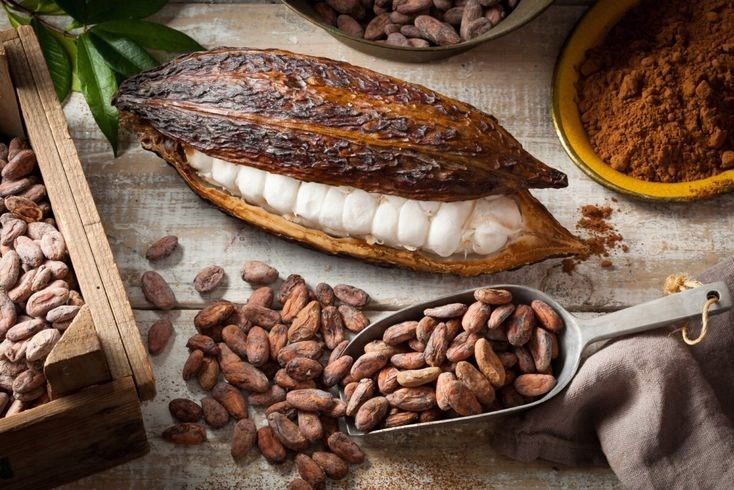
Cocoa is one of the world’s most climate-sensitive crops. Grown mainly in tropical regions such as West Africa, Southeast Asia, and Latin America, cocoa trees require stable rainfall, high humidity, and specific temperature ranges to produce quality beans.
As climate patterns change, cocoa production and global prices are increasingly affected—impacting farmers, manufacturers, and international buyers.


1. Rising Temperatures Reduce Cocoa Productivity

Cocoa trees thrive at 21–32°C.
When temperatures exceed this range, several problems occur:

  • Reduced flowering and pod formation

  • Higher risk of heat stress

  • Faster soil moisture evaporation

  • Lower bean quality

If warming trends continue, major producing regions like Ghana, Ivory Coast, and Indonesia may face long-term yield declines, tightening global supply.


2. Unpredictable Rainfall Disrupts Growth Cycles

Cocoa requires consistent rainfall, but climate change brings:

  • Extended dry seasons

  • Intense rainfall in short periods

  • Irregular monsoon patterns

These shifts interfere with:

  • Pod development

  • Tree health

  • Disease resistance

  • Harvest timing

Too little rain weakens trees; too much rain increases fungal diseases. Both scenarios reduce total output.


3. Increased Pest and Disease Pressure

Warmer, wetter, and more erratic weather creates conditions where pests and fungi thrive, especially:

  • Black pod disease

  • Witches’ broom

  • Mirids (capsid bugs)

Disease outbreaks can wipe out 10–40% of annual cocoa production, depending on severity.


4. Soil Degradation From Extreme Weather

Heavy rains and flooding cause erosion and nutrient loss, while drought reduces soil fertility. Poor soil directly impacts:

  • Bean size

  • Fat content

  • Flavor profile

To maintain quality, farmers must invest more in soil management—raising production costs.


5. Climate Change Reduces Suitable Cocoa-Growing Areas

Studies project that by 2050, suitable land for cocoa cultivation may shrink due to:

  • Higher altitude shifts

  • Drought-prone lowlands

  • Changing humidity zones

Countries like Ghana and Côte d’Ivoire may lose large portions of their traditional cocoa-growing regions, pressuring global supply chains.


6. How Climate Impacts Global Cocoa Prices

When climate conditions reduce supply, prices rise. Key effects include:

• Supply shortages → Higher global prices

Extreme weather in West Africa has already caused cocoa futures to spike.

• Quality fluctuations → Price volatility

Poorer beans lead to inconsistent quality, affecting chocolate manufacturers worldwide.

• Higher farming costs → Higher export prices

More fertilizers, irrigation, and disease control increase production costs, which exporters must pass on.

• Investor speculation intensifies price swings

Climate-related risks attract commodity traders, increasing price volatility.


7. Adaptation Strategies for Cocoa-Supplying Countries

Producers are implementing solutions to protect future cocoa supply:

  • Shade-grown cocoa to reduce heat stress

  • Climate-resilient cocoa varieties

  • Improved irrigation and water management

  • Better disease-resistant planting materials

  • Soil regeneration and agroforestry models

Countries and manufacturers investing in sustainable cocoa systems will have an advantage in future supply security.


Conclusion

Climate is now one of the most influential factors shaping global cocoa production and pricing. Rising temperatures, changing rainfall, and increased disease pressure threaten the world’s cocoa supply while pushing prices upward. For exporters, processors, and international buyers, understanding these climate dynamics is essential for long-term planning and maintaining a stable, high-quality cocoa value chain.

cocoa powder demand

Why Cocoa Powder Demand Continues to Grow Worldwide

Global demand for cocoa powder has been rising consistently across food, beverage, cosmetics, and health industries. As consumers shift toward premium flavors, natural ingredients, and healthier lifestyles, cocoa powder has become a versatile and highly valued ingredient worldwide. Here are the key reasons driving this continuous growth.


1. Rising Demand in the Global Food & Beverage Industry

Cocoa powder remains a core ingredient in many popular F&B products:

  • Chocolate beverages

  • Cakes, brownies, pastries

  • Ice cream and gelato

  • Confectionery and bakery fillings

  • Breakfast cereals and spreads

As these categories expand—especially in Asia-Pacific and the Middle East—the need for consistent, high-quality cocoa powder grows alongside them.

2. Growth of the Premium and Artisan Chocolate Market

Consumers are increasingly choosing premium, darker, richer chocolate flavors.
This trend directly boosts demand for:

  • Alkalized cocoa powder (for deeper color and smoother taste)

  • Black cocoa powder (for premium baked goods and cookies)

Bakeries, cafés, and artisanal chocolate brands worldwide rely heavily on high-quality cocoa powder to meet this market expectation.

3. Health and Wellness Trends Boosting Cocoa Consumption

More people are turning to cocoa because of its health benefits, such as:

  • High antioxidants

  • Natural mood enhancement

  • Cardiovascular support

  • Anti-inflammatory properties

Cocoa-based drinks, protein shakes, energy snacks, and functional foods are becoming global favorites. This shift is raising long-term demand for natural and alkalized cocoa powder.

4. Strong Growth in Emerging Markets

Countries in Southeast Asia, South Asia, the Middle East, and Africa are experiencing:

  • Increasing urbanization

  • Expansion of bakery and beverage chains

  • Rising middle-class purchasing power

These markets consume more chocolate-based products each year, creating sustained demand for cocoa powder imports.

5. Versatility Across Multiple Industries

Cocoa powder is not only used in food. It is also used in:

  • Cosmetics (scrubs, lotions, face masks)

  • Nutraceutical formulations

  • Pet food

  • Non-food industrial applications

Its multifunctionality makes cocoa powder a strategically important commodity for many manufacturers.

6. Preference for Clean-Label and Natural Ingredients

Global consumers now prefer products that are:

  • Natural

  • Plant-based

  • Minimally processed

  • Free from artificial colorants

Natural and alkalized cocoa powder fits perfectly into this trend, offering real chocolate color and flavor without synthetic additives.

7. Expansion of Online Retail and Home Baking

E-commerce growth has dramatically increased demand for:

  • Retail cocoa powder

  • Home-baking ingredients

  • DIY beverage mixes

The pandemic accelerated this shift, and the trend has remained strong.

Conclusion

Cocoa powder demand continues to grow due to global trends in premium foods, health-conscious lifestyles, diverse industrial applications, and expanding markets worldwide. For manufacturers, suppliers, and exporters, this creates significant long-term opportunities—especially for consistent, high-quality products like natural, alkalized, and black cocoa powder.

export cocoa powder

Exporting Cocoa Powder: Common Challenges and How to Overcome Them

Exporting cocoa powder offers major opportunities in global markets such as Malaysia, Australia, Europe, the UAE, and the Philippines. However, new exporters often face several operational, regulatory, and logistical challenges that can slow down shipments or reduce buyer trust.
Understanding these obstacles—and preparing solutions—helps businesses maintain smooth, professional export operations.

1. Meeting Import Requirements and Documentation Standards

The Challenge:
Different countries require different documents: Certificate of Origin, Phytosanitary Certificate, Halal certificate, COA, and more. Missing or inaccurate documents can delay customs clearance.

How to Overcome It:

  • Prepare a documentation checklist for each target country.

  • Use standardized templates for invoices, packing lists, and COAs.

  • Coordinate early with Karantina, Chamber of Commerce, and testing labs.

  • Work with experienced freight forwarders familiar with cocoa exports.

2. Ensuring Consistent Product Quality

The Challenge:
Buyers expect stable color, pH, aroma, fat content, and microbiology results. Inconsistency across batches can damage credibility.

How to Overcome It:

  • Implement strict QC testing for each batch.

  • Maintain batch records and retain samples.

  • Partner with reliable processors with proven, export-grade standards.

  • Provide detailed COA, specification sheets, and photos before shipment.

3. Managing Shipping Times and Logistics

The Challenge:
Lead times vary by destination, weather, port congestion, container availability, and vessel schedules. Delays create frustration for buyers.

How to Overcome It:

  • Plan shipments 2–4 weeks ahead of production.

  • Use forwarders who provide multiple vessel options.

  • Update buyers regularly with ETD/ETA and tracking.

  • Keep safety stock ready for repeat buyers.

4. Handling Payment Risk

The Challenge:
New suppliers risk late payments, buyer cancellation, or fraud—especially for first-time trade.

How to Overcome It:

  • Start with safer terms: 50% down payment + 50% before shipment, or use Escrow.

  • Use LC (Letter of Credit) for larger orders.

  • Verify buyer legitimacy through website, import records, and trade databases.

  • Keep all communication in writing.

5. Meeting Halal, Safety, and Regulatory Standards

The Challenge:
Some markets require specific compliance:

  • Halal (Malaysia, Indonesia, UAE)

  • Food safety declarations (EU)

  • Heavy metal limits

  • Microbiology standards

Failure to comply can lead to rejection at the destination port.

How to Overcome It:

  • Maintain updated Halal MUI (BPJPH) certification.

  • Conduct regular lab tests for microbiology and heavy metals.

  • Provide allergen statements and MSDS upon request.

6. Price Competition and Market Pressure

The Challenge:
Global cocoa prices fluctuate, and buyers compare multiple suppliers—often pushing prices down.

How to Overcome It:

  • Highlight your value, not just price: quality, consistency, support.

  • Offer volume-based pricing for long-term buyers.

  • Differentiate products (natural, alkalized, black, premium low-fat).

  • Improve packaging and provide better service.

7. Building Trust With First-Time Buyers

The Challenge:
New exporters must prove reliability, leading to hesitation from overseas buyers.

How to Overcome It:

  • Provide complete company documents (NIB, NPWP, Halal, lab results).

  • Share factory photos, process videos, and product samples.

  • Respond quickly and professionally to inquiries.

  • Maintain transparent communication about timelines and pricing.

Conclusion

Exporting cocoa powder can be highly profitable, but it requires strong preparation, reliable documentation, consistent product quality, and professional communication. By understanding these common challenges and addressing them proactively, exporters can build long-term partnerships and create a strong presence in major global markets.

black cocoa powder benefits

Black Cocoa Powder: Uses, Benefits, and Ideal Applications

Black cocoa powder is a unique type of cocoa known for its ultra-dark color, smooth flavor, and striking visual impact. It is widely used by bakeries, food manufacturers, and premium confectionery brands that need intense color without bitterness. This guide highlights the main uses, the essential black cocoa powder benefits, and the best ways to incorporate it into your products.


What Is Black Cocoa Powder?

Black cocoa powder is a heavily alkalized (Dutch-processed) cocoa that undergoes an extended alkalization process. As a result, it produces:

  • A deep, almost jet-black color

  • A mellow, low-acidity flavor

  • A smoother, less bitter cocoa profile

These characteristics make it different from standard alkalized or natural cocoa powder.


Key Black Cocoa Powder Benefits

Understanding the black cocoa powder benefits helps manufacturers choose the right ingredient for their formulations:

1. Intense, Premium Color

One of the biggest black cocoa powder benefits is its bold color. It creates a dramatic black appearance, perfect for:

  • Black cookies

  • Dark chocolate cakes

  • Premium pastries

  • Oreo-style biscuits

This color cannot be achieved with natural or standard alkalized cocoa.

2. Mild, Smooth Flavor Profile

Black cocoa powder has a very low acidity and a mellow taste. This smoothness helps:

  • Balance sweet bakery recipes

  • Allow other flavors (vanilla, caramel, coffee) to shine

  • Reduce bitterness in dark-themed products

This makes it user-friendly for both industrial and artisanal baking.

3. Better Stability in Baking

Another important advantage is its consistent performance. Black cocoa powder is known for:

  • Stable color after baking

  • Even dispersion in dough and batter

  • Good compatibility with fats, sugars, and leavening agents

Its reliability is one of the core black cocoa powder benefits for manufacturers.

4. Clean Label and Natural Appearance

Since its color comes from a natural process (alkalization) rather than artificial dyes, many brands choose it to achieve a clean-label image. It’s ideal for companies aiming to avoid chemical colorants.


Ideal Applications of Black Cocoa Powder

Because of its unique characteristics, black cocoa powder shines in many food categories:

1. Cookies and Biscuits

The signature Oreo-style look comes from black cocoa. It delivers the deep black color and a classic smooth taste.

2. Cakes and Baked Goods

Great for blackout cakes, dark brownies, cupcakes, and premium pastries where a rich, dark presentation is needed.

3. Ice Cream and Frozen Desserts

It provides bold color and subtle flavor without overpowering the cream base.

4. Chocolates and Confectionery

Useful for dark truffles, coatings, and dramatic chocolate creations.

5. Drink Mixes

When blended properly, it adds a deep cocoa tone for gourmet beverages.


Tips for Using Black Cocoa Powder

  • Combine it with regular alkalized cocoa to balance flavor and structure.

  • Keep fat content and pH in mind for recipe stability.

  • Adjust sugar levels if you want a stronger chocolate taste.


Conclusion

Black cocoa is more than just a color enhancer—it offers real functional advantages for manufacturers. With its stable color, smooth taste, and clean-label appeal, the black cocoa powder benefits make it ideal for premium bakery, confectionery, beverage, and dessert applications.

cocoa powder indonesia

Step-by-Step Guide to Importing Cocoa Powder from Indonesia

Importing cocoa powder Indonesia offers strong advantages for food, beverage, bakery, and confectionery manufacturers. Indonesia is known for its consistent quality, competitive pricing, and reliable export systems. To help you navigate the import process more efficiently, here is a clear step-by-step guide.


1. First, Define Your Product Requirements

Begin by identifying the specific type of cocoa powder Indonesia you need. This will guide the entire purchase process. Common options include:

  • Alkalized Cocoa Powder – darker color and smoother taste

  • Natural Cocoa Powder – lighter color with a stronger cocoa profile

  • Black Cocoa Powder – ultra-dark color for premium baking

  • Cocoa Butter – for fat-based applications

Once your specifications are clear, suppliers can provide accurate quotations.


2. Next, Verify Supplier Credentials

After selecting your product, ensure your supplier meets international standards. Look for:

  • ISO 22000 / HACCP

  • Halal Certification

  • GMP (Good Manufacturing Practice)

  • Certificate of Analysis (COA)

These documents demonstrate consistent quality and proper manufacturing control. Reliable exporters of cocoa powder Indonesia will provide them without hesitation.


3. Then, Request Samples and Conduct Quality Tests

Before finalizing any large order, always request samples. This allows you to:

  • Check color and aroma

  • Evaluate solubility

  • Test the taste within your actual formulation

By doing this early, you can avoid quality mismatches later.


4. After That, Confirm Pricing and Terms

Once the product quality meets your expectations, move on to commercial discussions. Typically, you should clarify:

  • MOQ (Minimum Order Quantity)

  • Price per MT

  • Payment terms (TT, LC, etc.)

  • Preferred Incoterms (FOB, CIF, CFR)

Clearly agreed terms help prevent misunderstandings during shipment.


5. Additionally, Understand Your Country’s Import Rules

Every destination country has its own import regulations. Usually, you will need:

  • Commercial Invoice

  • Packing List

  • Bill of Lading

  • Certificate of Origin

  • Health Certificate

  • Halal Certificate (if required)

Checking these requirements in advance makes customs clearance smoother.


6. Meanwhile, Arrange Logistics and Shipment

After payment and production, your supplier will prepare the shipment. Most cocoa powder Indonesia exports depart from Tanjung Priok or Tanjung Perak.

You may choose:

  • A 20ft container (17–20 MT)

  • LCL for smaller quantities

  • Air freight for urgent orders

Ensure packaging and palletizing follow your destination’s standards.


7. Once Arrived, Complete Customs Clearance

When the goods reach your port:

  • Submit all documentation

  • Pay import duties

  • Release the container

  • Arrange final delivery to your warehouse

Working with an experienced customs broker can significantly simplify these steps.


8. Finally, Build a Long-Term Supplier Relationship

To secure stable supply and consistent quality:

  • Give feedback regularly

  • Plan shipments ahead of time

  • Discuss annual contracts or fixed pricing

A long-term partnership with a trusted cocoa powder Indonesia supplier benefits your production efficiency.


Conclusion

With the right preparation and clear communication, importing cocoa powder Indonesia is a straightforward process. By following these steps—from identifying your product needs to maintaining a strong supplier relationship—you can ensure smooth shipments and consistent quality for your business.

indonesian cocoa powder exporter

What Makes a Professional Indonesian Cocoa Powder Exporter?

Indonesia has become one of the most trusted origins for cocoa powder in the global food and beverage industry. However, not all exporters operate at the same level. A professional Indonesian cocoa powder exporter stands out through strict quality control, transparent documentation, and reliable export readiness that supports international buyers.
Here are the key traits that define a truly professional exporter.

1. Consistent Product Quality and Specifications

A professional exporter provides cocoa powder with stable characteristics across every batch, including:

  • consistent pH level

  • uniform color (light to dark alkalized, or natural)

  • accurate fat content

  • clean aroma and smooth texture

This consistency is essential for industrial manufacturers that rely on precise formulation stability.

2. Compliance With International Food-Safety Standards

Export-ready Indonesian cocoa powder exporters typically hold important certifications such as:

  • ISO 22000 / HACCP

  • Halal certification

  • Batch-specific Certificate of Analysis (CoA)

These certifications prove the exporter meets global production and safety requirements.

3. Strong Export Documentation and Regulatory Understanding

Professional exporters understand the documentation required for various destination countries, including:

  • Health Certificate

  • Free Sale Certificate

  • Certificate of Origin

  • Halal/Kosher (when needed)

  • SDS (Safety Data Sheet)

  • Packing List & Commercial Invoice

This expertise ensures smoother customs clearance and faster delivery.

4. Reliable Supply Capability

A reputable Indonesian exporter must be able to guarantee:

  • stable monthly production capacity

  • predictable lead times

  • proper warehouse and packing standards

  • flexibility for bulk orders (1–20 MT per shipment)

This reliability is crucial for importers working on long-term supply contracts.

5. Transparent Communication and Buyer Support

Professional exporters communicate clearly about:

  • product specifications

  • pricing and Incoterms

  • MOQ and production timelines

  • sample arrangements

  • shipping updates

Responsive and transparent communication builds trust and reduces the risk of delays or misunderstandings.

6. Customization for Different Market Needs

Global buyers have different requirements. Top-tier exporters can adjust:

  • cocoa shade (light, medium, dark, black)

  • fat content

  • packaging (bags, kraft, custom pallets)

  • documentation based on country regulations

This flexibility makes Indonesian exporters competitive in markets like Australia, UAE, Malaysia, Philippines, and Europe.

Conclusion

A professional Indonesian cocoa powder exporter delivers more than just cocoa powder—they provide consistency, compliance, smooth logistics, and trustworthy communication. With complete certifications, strong export readiness, and product reliability, Indonesian exporters continue to attract global buyers seeking long-term and dependable partnerships.

cocoa powder manufacturer

Cocoa Powder Manufacturer: 5 Key Certifications You Must Check

Choosing the right cocoa powder manufacturer is essential for ensuring product safety, consistent quality, and smooth international distribution. Since not all manufacturers follow global standards, certifications become a critical benchmark for evaluating credibility. Below are the five key certifications you must verify before partnering with any cocoa powder manufacturer.

1. ISO 22000 / HACCP – Food Safety Standards

ISO 22000 or HACCP is the foundation of food safety. These certifications confirm that the manufacturer follows strict, traceable, and hygienic processes throughout production. They ensure controlled environments, risk prevention, and proper sanitation—making them the most important certifications to check.

2. Halal Certification

For markets in Southeast Asia, the Middle East, and other Muslim-majority regions, Halal certification is essential. It guarantees that the cocoa powder is produced using halal-compliant ingredients, equipment, and cleaning procedures. This certification widens market access and ensures consumer confidence.

3. Certificate of Analysis (CoA)

A trustworthy cocoa powder manufacturer provides a CoA for every batch. This document verifies essential product specifications such as fat content, pH level, moisture, microbiology results, and color profile. The CoA helps buyers confirm whether the cocoa powder matches their formulation requirements before production.

4. Kosher / Health Certificate / Export Documents (Market-Specific)

For international shipments, certain markets require additional documents such as:

  • Kosher Certificate

  • Health Certificate

  • Free Sale Certificate

  • Standard export compliance documents

These ensure smooth customs clearance and regulatory acceptance in strict destinations like Australia, UAE, Malaysia, and the EU.

5. Internal Quality Management System

Beyond external certifications, a reliable manufacturer should maintain a strong internal quality system. This includes batch traceability, consistent QC checks, calibrated machinery, and documented production procedures. These controls ensure stable color, aroma, fat content, and pH across all shipments.

Conclusion

Before choosing a cocoa powder manufacturer, always verify essential certifications such as ISO 22000/HACCP, Halal, CoA, and required export documents. Manufacturers with complete and transparent certifications—such as export-ready brands from Indonesia—offer higher reliability, safer products, and stronger long-term value for global buyers.

cocoa powder supplier

Why Global Buyers Prefer Indonesia as Their Cocoa Powder Supplier

Indonesia has become one of the most attractive origins for global manufacturers looking for a trusted and consistent cocoa powder supplier. With rising demand from the food, beverage, confectionery, and dairy sectors, buyers around the world now prioritize suppliers that offer steady quality, competitive pricing, and reliable export processes — and Indonesia is leading in all three.

Below are the key reasons why international buyers increasingly choose Indonesia as their preferred cocoa powder supplier.

1. Consistent Quality Across Alkalized and Natural Cocoa Powder

Indonesia’s cocoa processing industry has matured significantly. Modern factories apply:

  • strict quality control

  • precise fat-content consistency

  • stable pH calibration

  • batch-to-batch color uniformity

This ensures both alkalized and natural cocoa powder meet industrial-grade standards required by:

  • bakery producers

  • beverage manufacturers

  • ice cream factories

  • confectionery brands

Global buyers appreciate this predictability because it reduces formulation risks and production errors.

2. Competitive Pricing Compared to Other Cocoa Origins

Compared to suppliers from Europe, West Africa, or Latin America, Indonesia offers:

  • more efficient production costs

  • competitive raw material pricing

  • closer proximity to Asian markets

As a result, importers in Southeast Asia, the Middle East, Australia, and the Asia-Pacific region enjoy lower landed costs, especially for FCL shipments.

3. Strong Food-Safety Certifications

Most reputable Indonesian cocoa powder suppliers — including export-ready brands — meet international standards:

  • ISO 22000 / HACCP

  • Halal Certification (crucial for Muslim-majority markets)

  • CoA with microbiology report

This makes Indonesian cocoa highly acceptable for global regulatory requirements and easier to import into strict markets such as Australia, UAE, and Malaysia.

4. Reliable Export Infrastructure

Indonesia has well-developed export routes through major ports such as:

  • Tanjung Priok (Jakarta)

  • Tanjung Perak (Surabaya)

These ports are experienced in handling container loads of food ingredients. Buyers benefit from:

  • stable lead times

  • predictable shipping schedules

  • efficient container handling

This is a major factor for manufacturers requiring uninterrupted supply.

5. Wide Product Range for Industrial Applications

Indonesia offers a full spectrum of cocoa powder types, making it easier for buyers to choose a supplier that matches their product formulation needs:

  • low-fat, medium-fat, and high-fat cocoa powder

  • alkalized cocoa (light, brown, dark)

  • black cocoa powder for premium bakery

  • natural cocoa powder

  • cocoa butter (natural & deodorized)

With a broad selection, buyers can source multiple SKUs from one supplier, reducing procurement complexity.

6. Strong Growth of Export-Ready Brands Like Nusvara Cocoa

Indonesia is now home to new-generation suppliers such as Nusvara Cocoa, positioning themselves as:

  • consistent quality partners

  • export-focused manufacturers

  • reliable for long-term supply agreements

This strengthens global confidence in Indonesia as a truly professional cocoa powder supplier.

Conclusion

Global buyers prefer Indonesia as their cocoa powder supplier because the country combines consistent quality, competitive pricing, complete certifications, and strong export readiness. For manufacturers seeking dependable cocoa ingredients, Indonesia stands out as one of the most strategic and trustworthy origins.

Indonesia's Trusted Cocoa Powder Manufacturer and Supplier

Why Nusvara Cocoa Is Indonesia’s Trusted Cocoa Powder Manufacturer & Supplier

In the global food and beverage industry, reliability and product consistency are essential. As international buyers increasingly search for dependable suppliers, Nusvara Cocoa has emerged as one of Indonesia’s most trusted cocoa powder manufacturers and suppliers. Through quality-focused production, transparent communication, and export-ready operations, we provide solutions that global buyers can rely on.

Below are the key reasons why Nusvara Cocoa continues to earn the trust of professionals worldwide.

1. Premium Cocoa Powder Crafted for Global Standards

Nusvara Cocoa offers a complete range of cocoa products, including:

  • Natural Cocoa Powder

  • Alkalized Cocoa Powder

  • Black Cocoa Powder

  • Cocoa Butter

Each product is developed to meet international quality expectations. Moreover, our powders deliver stable color, smooth texture, excellent solubility, and rich flavor—making them suitable for bakery, beverage, dairy, and confectionery industries.

2. Strict Quality Control From Raw Beans to Final Powder

Consistency matters. Therefore, we apply rigorous quality control at every production stage:

  • Careful bean selection and grading

  • Controlled roasting and alkalization

  • Fineness testing up to 99%

  • Moisture, ash, and pH monitoring

  • Sensory evaluation for flavor and aroma

As a result, every shipment maintains the same premium standard that our partners expect.

3. Export-Ready Operations Designed for Efficiency

International buyers require predictable and professional handling. For this reason, Nusvara Cocoa ensures:

  • Complete export documentation

  • Reliable logistics coordination

  • Standardized 25 kg export packaging

  • Stable supply for long-term contracts

Furthermore, our collaboration with experienced freight partners enables smooth shipping across Asia, the Middle East, and Australia.

4. Transparent Communication That Builds Trust

Clear communication strengthens long-lasting partnerships. Thus, we prioritize:

  • Fast responses to inquiries

  • Detailed quotations and product specs

  • Honest updates on stock and lead times

  • Professional support throughout the buying process

In addition, we maintain openness about quality, availability, and pricing—ensuring clients feel confident at every stage.

5. Sustainable Sourcing Through Collaboration With Farmers

High-quality cocoa begins at the source. Because of this, Nusvara Cocoa works closely with farmers to support:

  • Ethical and fair sourcing

  • Sustainable agricultural practices

  • Improved fermentation and drying techniques

Consequently, we secure better raw materials while helping local farming communities thrive.

6. Competitive Value Without Compromising Quality

Global buyers need both quality and affordability. Therefore, we focus on delivering:

  • High-grade cocoa powder

  • Competitive export pricing

  • Consistent supply

  • Professional handling and support

This balance makes Nusvara Cocoa a preferred partner for manufacturers and distributors seeking long-term reliability.

7. A Growing Global Partner in Cocoa Supply

With expanding capabilities and a commitment to excellence, Nusvara Cocoa continues to strengthen its presence in the international market. Ultimately, our goal is to become a dependable, long-term supplier for businesses worldwide.

Conclusion

Nusvara Cocoa is trusted because we consistently deliver what global buyers value most: premium quality, stable supply, strict quality control, transparent communication, and export-ready processes. Whether you are a food manufacturer, importer, or distributor, Nusvara Cocoa is ready to support your growth with world-class cocoa products.

Indonesia's Trusted Cocoa Powder Manufacturer and Supplier

Why Alkalized Cocoa Powder Is Essential for Modern Food Manufacturing

Alkalized cocoa powder, often known as Dutch-processed cocoa, has become increasingly important for today’s food and beverage manufacturers. Through the alkalization process, cocoa’s acidity is reduced, resulting in a darker color, smoother flavor, and more balanced aroma. Moreover, these improvements help create more stable and predictable product performance.

As modern industries demand consistency, visual appeal, and reliable flavor profiles, this ingredient delivers several key advantages. Consequently, the following sections outline its primary benefits and explain why Indonesian products are gaining strong global interest.

What Is Dutch-Processed Cocoa?

Dutch-processed cocoa is made by treating cocoa with an alkali—commonly potassium carbonate—to neutralize acidity. Once the process is complete, several characteristics shift:

  • pH increases from around 5.0 to 6.5–8.0

  • Color becomes darker and richer

  • Flavor turns smoother and less acidic

  • Aroma becomes more rounded and balanced

Because of these enhancements, alkalized cocoa powder becomes a versatile ingredient suitable for many industrial applications.

1. Deeper, More Stable Color for Food Applications

The rich dark tone produced is ideal for products such as:

  • Cakes

  • Brownies

  • Chocolate ice cream

  • Biscuits

  • Premium chocolate beverages

In addition, its color remains stable throughout baking and mixing, making it highly dependable for large-scale operations.

2. Smoother Flavor With Reduced Acidity

The alkalization process removes sharp acidity and produces a smoother flavor. As a result, manufacturers of premium chocolate beverages benefit from a cleaner, more rounded taste profile.

3. Better Solubility for Instant Drink Formulas

High solubility is essential in instant beverage production. This cocoa type:

  • Dissolves more easily

  • Forms fewer lumps

  • Mixes well in hot and cold liquids

Therefore, it is widely chosen for premium chocolate drink mixes and instant formulations.

4. More Consistent Results in Industrial Production

A stable pH level allows manufacturers to achieve uniform color, flavor, and overall performance. Furthermore, this consistency simplifies quality control and ensures reliable batch-to-batch results.

5. Broad Versatility Across Food Categories

This form of cocoa is commonly used in:

  • Bakery & pastry

  • Chocolate drinks

  • Ice cream & gelato

  • Cereal & granola

  • Confectionery

  • Cocoa-based sauces

Because of its flexibility, it has become a key ingredient across many food categories.

Why Global Industries Choose Indonesian Cocoa Alkalization Products

1. Reliable Quality and Strong Color Standards

Indonesian producers—including Nusvara Cocoa—offer stable color and flavor profiles that meet international expectations.

2. Strong Processing Capacity and Steady Supply

Indonesia’s processing industry supports continuous production, ensuring consistent availability for long-term buyers.

3. Competitive Pricing With Strong Value

Compared to other origins, Indonesian products often provide a more cost-effective balance between quality and price.

4. Export-Ready Certifications and Documentation

Most suppliers offer:

  • Halal

  • HACCP

  • GMP

  • COA

Thus, Indonesian cocoa is easily accepted in markets across Asia, the Middle East, Europe, and Australia.

How to Choose the Right Alkalized Cocoa Powder

Check the pH Range – Higher pH means a darker color and smoother taste.
Select the Fat Content

  • 10–12% for beverages

  • 20–24% for bakery and confectionery
    Request Samples – Evaluate color, aroma, solubility, and flavor in your product.
    Choose an Experienced Export Supplier – Proper documentation and logistics are essential for smooth international shipments.

Conclusion

In summary, alkalized cocoa powder provides significant benefits for the modern food and beverage industry—offering enhanced color, smoother flavor, stronger solubility, and consistent results. Combined with competitive pricing and solid processing capabilities, Indonesian suppliers such as Nusvara Cocoa are becoming preferred partners for global manufacturers seeking high-quality cocoa ingredients.

mpo500 login

mpo500 login

mpo500 login

mpo500 login

mpo500

mpo500

https://maackitchen.com/

https://solosluteva.com/

mpo login

mpo500 login

mpo500 login

mpo500 login

mpo500 login

mpo500 login

mpo500 login

link mpo500

mpo500

mpo500

https://tropicalfruitsshop.com/

mpo500

https://www.bestpandoraoutlet.com/

mpo500

https://hjeronymus.se/

mpo500 login

mpo500

https://p-walker.org/

https://concept3hairsalon.com/

https://clinica-abando.es/

https://drperezclub.com/

mpo500

mpo500

https://www.sanlepackageco.com/products/

https://www.expertmdcat.com/tag/mdcat

https://lytteltonlights.com/collections/

https://www.bestpandoraoutlet.com/

https://portugal.lairdofblackwood.com/

https://www.encuadremagico.com/

https://noblehalalorganicmeat.com/product-category/steak/

https://pillsburyscarborough.org/accreditation

https://www.bestpandoraoutlet.com/pandora-silver-jewelry

slot777
slot
slot mahjong
slot mahjong

https://www.bluemooring.org/

mpo500 login