Nusvara Cocoa

Artikel

Indonesia's Trusted Cocoa Powder Manufacturer and Supplier

Cocoa Powder Exporter for Consistent Quality and Reliable Supply

Choosing the right cocoa supplier is essential for businesses in the food and beverage industry. Whether you produce bakery products, chocolate drinks, confectionery, or ice cream, your sourcing partner plays an important role in maintaining product quality, stable supply, and cost efficiency.

A trusted cocoa powder exporter does more than ship ingredients. The right partner helps your business maintain consistent quality, secure reliable delivery, and support long-term growth in competitive markets.

Why Supplier Selection Matters

Cocoa powder is a key ingredient in many food applications. Inconsistent raw materials can affect flavor, color, production schedules, and customer satisfaction. That is why choosing the right supplier is an important business decision.

Working with an experienced export partner helps ensure:

  • Consistent flavor and aroma
  • Stable color in every batch
  • Reliable shipment schedules
  • Food safety compliance
  • Better long-term cost control

For manufacturers, importers, and distributors, strong supplier performance is just as important as competitive pricing.

Key Factors to Evaluate

Not all suppliers offer the same level of service. Before choosing one, businesses should evaluate several important factors.

1. Product Consistency

Consistency is one of the most important factors in cocoa sourcing. A reliable supplier should deliver stable specifications in every shipment to support uniform production results.

Key quality points include:

  • Color consistency
  • Flavor stability
  • pH level
  • Fat content
  • Solubility

Stable specifications help manufacturers maintain product quality across batches.

2. Product Range

A strong supplier should offer multiple options for different industrial applications.

This may include:

  • Natural cocoa powder
  • Alkalized cocoa powder
  • Dark brown cocoa powder
  • Black cocoa powder
  • High-fat cocoa powder
  • Low-fat cocoa powder

A wider product range makes sourcing more efficient and flexible.

3. Certifications and Documents

A professional cocoa powder exporter should provide complete technical documents and certifications for food safety and import requirements.

Important documents include:

  • Certificate of Analysis (COA)
  • Product Specification Sheet
  • MSDS
  • Halal Certificate
  • HACCP or ISO compliance

Complete documentation helps buyers maintain compliance and quality assurance.

4. Logistics and Export Capability

For international buyers, export experience is critical. A reliable cocoa powder exporter should understand documentation, lead times, and shipping coordination to ensure smooth delivery.

Strong export capability helps reduce delays, improve planning, and protect supply chain efficiency.

Long-Term Business Benefits

Working with the right supplier creates long-term advantages beyond price alone. A dependable sourcing partner helps businesses improve planning, reduce risk, and maintain consistent production output.

Key benefits include:

  • Stable supply for ongoing production
  • Better quality control
  • Predictable lead times
  • Easier demand forecasting
  • Stronger sourcing efficiency

These advantages help businesses scale with greater confidence.

Build a Stronger Supply Chain

The best cocoa powder exporter is not simply the lowest-cost option. The right partner offers reliable quality, clear communication, and dependable delivery.

For businesses that rely on cocoa ingredients, choosing an experienced cocoa powder exporter is a smart step toward stronger supply chain performance and long-term growth.
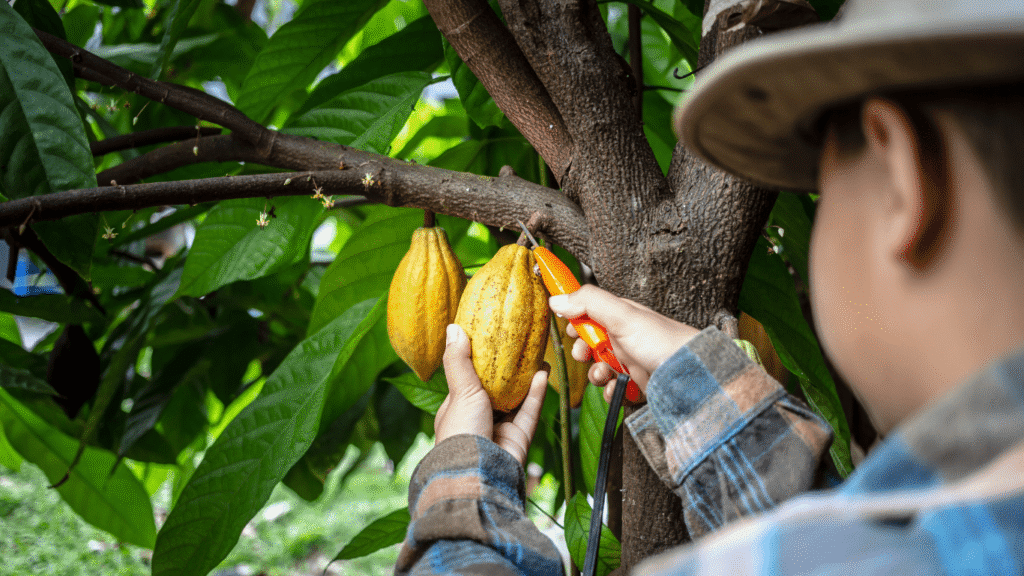
Cocoa Powder Manufacturer and Supplier

Common Problems Buyers Face When Sourcing Cocoa Powder (And How to Avoid Them)

Sourcing cocoa powder in bulk is not only about price or availability. For food manufacturers, the bigger challenge is finding a supplier that can consistently deliver the right quality, specification, and supply reliability.

Even small inconsistencies in cocoa powder can affect product color, flavor, processing performance, and production efficiency. Below are some of the most common sourcing problems buyers face—and how to avoid them.

1. Inconsistent Color Between Batches

Color inconsistency is one of the most common issues in cocoa powder sourcing. Even small shade differences can affect the final appearance of biscuits, beverages, cakes, and other cocoa-based products.

This usually happens due to inconsistent alkalization or unstable raw material quality.

How to avoid it:
Define color specifications clearly, request batch consistency, and work with suppliers that maintain controlled processing.

2. Unstable Flavor Profile

Cocoa powder directly affects the taste of the final product. If flavor varies between batches, your product can taste weaker, flatter, or more bitter.

This is often caused by inconsistent bean quality, roasting, or processing conditions.

How to avoid it:
Ask how the supplier controls flavor consistency and test repeat batches before scaling.

3. Poor Performance in Production

A cocoa powder may meet specification on paper but still perform poorly in production.

Common issues include poor dispersibility, clumping, sedimentation, or poor flowability in premixes.

How to avoid it:
Evaluate cocoa powder based on real application performance, not just the specification sheet.

4. High Moisture Content

Excess moisture can reduce shelf life, cause clumping, and create storage problems.

It can also affect flowability and increase microbiological risk.

How to avoid it:
Check moisture levels in every COA and ensure proper storage and packaging.

5. Product Does Not Match Specification

One of the most costly issues is receiving cocoa powder that does not match the promised specification or COA.

This can affect pH, fat content, fineness, color, and overall production performance.

How to avoid it:
Verify incoming materials, request pre-shipment samples, and work with suppliers that maintain consistent QC.

6. Delayed Shipments

Late deliveries can disrupt production schedules, inventory planning, and customer commitments.

For industrial buyers, supply reliability is just as important as product quality.

How to avoid it:
Confirm lead times early and choose suppliers with stable production capacity and clear scheduling.

7. Poor Supplier Communication

Slow responses, unclear answers, and incomplete documents often indicate larger operational problems.

Poor communication during inquiry usually leads to bigger issues after purchase.

How to avoid it:
Choose suppliers that communicate clearly, respond quickly, and provide complete documentation.

Final Thoughts

Most cocoa powder sourcing problems do not come from price—they come from inconsistency.

The right supplier should offer more than available stock. They should provide consistent quality, reliable supply, clear documentation, and dependable communication.

In the long run, consistency matters more than cost.

Premium Cocoa Powder Supply

Top Industries That Rely on Premium Cocoa Powder Supply

Across the global food industry, cocoa powder is more than just a flavor ingredient. For many sectors, consistent access to premium cocoa powder is essential to maintain product quality, processing efficiency, and brand reputation. As market standards rise, industries increasingly depend on reliable suppliers capable of delivering stable specifications at scale.


Chocolate and Confectionery Industry

The chocolate and confectionery sector remains the largest consumer of premium cocoa powder. In this industry, color consistency, flavor balance, and aroma stability are critical.

High-quality cocoa powder ensures uniform appearance in chocolate coatings, fillings, and molded products. Moreover, consistent supply helps manufacturers avoid formulation adjustments that could affect taste and texture.


Bakery and Pastry Industry

Bakery applications rely heavily on cocoa powder for both flavor and visual appeal. Cakes, cookies, brownies, and pastries require predictable cocoa characteristics to achieve consistent results across production batches.

Premium cocoa powder supports stable baking performance, controlled bitterness, and uniform crumb color. As a result, bakeries can maintain product quality even at high production volumes.


Beverage and Instant Drink Industry

In beverage applications, cocoa powder performance goes beyond taste. Solubility and dispersion are essential, particularly for instant drink mixes and ready-to-drink formulations.

Premium-grade cocoa powder provides smoother mouthfeel and faster mixing, reducing sedimentation issues. Consequently, beverage manufacturers prioritize suppliers who can meet strict functional specifications.


Dairy and Ice Cream Industry

Dairy products such as chocolate milk, flavored yogurt, and ice cream depend on cocoa powder that integrates smoothly with fat and milk solids.

A reliable premium supply ensures stable flavor release, balanced sweetness perception, and consistent color throughout the product’s shelf life. This consistency is crucial for brands operating in competitive consumer markets.


Nutritional and Functional Food Industry

The nutritional food segment increasingly incorporates cocoa powder into protein drinks, meal replacements, and functional snacks.

In this category, premium cocoa powder is valued for its clean taste, controlled bitterness, and compatibility with other functional ingredients. Manufacturers depend on consistent quality to meet both sensory expectations and formulation stability.


Foodservice and Industrial Catering

Large-scale foodservice operations require cocoa powder that performs reliably across multiple preparation methods.

From dessert mixes to beverage dispensers, premium cocoa powder ensures predictable results, minimizing waste and maintaining standardized taste across locations.


Why Premium Cocoa Powder Supply Matters

Across all these industries, consistency is the common priority. Premium cocoa powder supply reduces production risks, supports brand consistency, and enables long-term product planning.

Therefore, selecting a dependable supplier is not simply a sourcing decision—it is a strategic partnership that supports operational success.

cocoa powder manufacturing

Future Innovations in Cocoa Powder Manufacturing

As global demand for cocoa-based products continues to evolve, cocoa powder manufacturing is entering a new phase of innovation. Today, manufacturers are no longer focused solely on output volume. Instead, attention is shifting toward efficiency, sustainability, consistency, and application-specific performance. Consequently, technological advancement is shaping the future of cocoa powder production in significant ways.


Advancements in Processing Technology

Modern cocoa processing increasingly relies on precise control systems. Automated roasting and grinding technologies are being adopted to ensure consistent flavor development and particle size distribution. As a result, batch-to-batch variability can be minimized more effectively than ever before.

In addition, improved alkalization control allows manufacturers to fine-tune color and flavor outcomes with higher accuracy. This development supports the growing demand for customized cocoa powder specifications across different industries.


Innovation in pH and Flavor Control

Chemical balance management has become more sophisticated. Rather than applying uniform processing methods, manufacturers are now developing tailored alkalization profiles designed for specific applications.

This approach enables better flavor retention, smoother taste profiles, and optimized solubility. Consequently, cocoa powder performance can be aligned more precisely with beverage, bakery, or confectionery requirements.


Sustainability-Driven Manufacturing Solutions

Sustainability is becoming a core driver of innovation. Energy-efficient roasting systems, water-saving alkalization methods, and waste heat recovery technologies are increasingly integrated into production lines.

Moreover, manufacturers are investing in traceable and responsible sourcing models. By improving supply chain transparency and reducing environmental impact, cocoa powder production is gradually aligning with global sustainability expectations.


Functional Cocoa Powder Development

Beyond traditional uses, future innovation also focuses on functionality. Cocoa powders with enhanced dispersibility, reduced bitterness, or improved heat stability are being developed to meet industrial formulation challenges.

At the same time, there is growing interest in application-specific cocoa powders designed exclusively for instant beverages, frozen desserts, or high-fat systems. This shift reflects the industry’s movement toward solution-oriented ingredients rather than generic commodities.


Digitalization and Quality Monitoring

Digital tools are playing an increasingly important role in cocoa manufacturing. Real-time quality monitoring systems now allow producers to track parameters such as moisture content, particle size, and color during processing.

Through data-driven production, deviations can be detected early, reducing waste and improving consistency. As a result, manufacturers gain greater control over both quality assurance and operational efficiency.


The Future Outlook

Looking ahead, innovation in cocoa powder manufacturing will continue to focus on precision, sustainability, and customization. As food manufacturers demand higher performance ingredients, cocoa producers must adapt by combining technical expertise with advanced processing solutions.

Ultimately, the future of cocoa powder lies in intelligent manufacturing—where quality, efficiency, and responsibility are seamlessly integrated.

pH Cocoa Powder

How pH Affects Cocoa Powder Color, Taste, and Performance

Acidity and alkalinity levels play a subtle but powerful role in cocoa processing. Although often invisible to consumers, this chemical balance strongly influences how cocoa powder looks, tastes, and performs in different food applications. As a result, manufacturers pay close attention to this factor when aiming for consistent quality.


pH Cocoa Powder: Understanding the Basics

The natural acidity level of cocoa develops during fermentation and roasting. In its untreated form, cocoa powder remains mildly acidic. However, through alkalization, this balance can be adjusted to achieve different functional and sensory outcomes.

Because of this adjustment process, cocoa powder can be tailored to meet specific formulation requirements. Consequently, pH becomes a strategic specification rather than a minor processing detail.


Color Differences Explained by pH Cocoa Powder

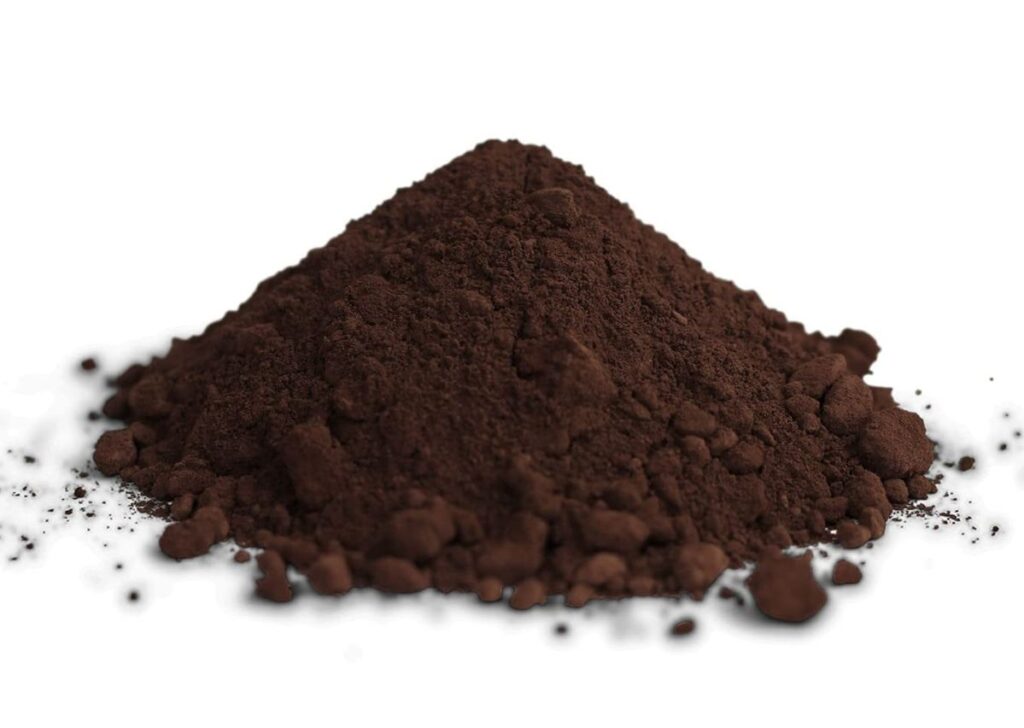
Changes in alkalinity have a direct impact on cocoa powder color. When acidity remains higher, the powder typically appears lighter with reddish-brown tones. As alkalinity increases, the color gradually deepens.

With stronger alkalization, very dark brown or black cocoa powder can be produced. Therefore, controlling this parameter is essential for applications where visual consistency is critical.


How Acidity Influences Taste and Flavor

Flavor intensity and balance are closely linked to acidity levels. Cocoa powder with higher acidity often delivers sharper, brighter taste notes. In contrast, reduced acidity creates a smoother and less bitter cocoa profile.

For this reason, beverage and dairy products commonly favor smoother cocoa characteristics, while some bakery or confectionery products intentionally retain stronger flavor intensity.


pH Cocoa Powder and Functional Performance

Processing behavior is also affected by alkalinity levels. Reduced acidity generally improves dispersibility, allowing cocoa powder to blend more evenly in liquid systems.

In addition, reactions with leavening agents in baked goods depend on this chemical balance. Selecting the appropriate specification therefore supports stable processing and predictable results.


Choosing the Right Cocoa Powder for Each Application

Application requirements vary widely across product categories. Bakery products often rely on precise chemical balance, beverages prioritize smooth texture and solubility, and confectionery focuses on color depth and flavor consistency.

As a result, cocoa powder selection should always align with the intended end use rather than follow a one-size-fits-all approach.


Final Thoughts on pH Cocoa Powder

Chemical balance within cocoa powder defines its overall performance. From appearance and flavor to processing efficiency, acidity and alkalinity influence every stage of production. By managing this factor carefully, manufacturers can achieve consistent quality and reliable outcomes across diverse applications.

premium cocoa powder supplier

Premium Cocoa Powder Supplier for Consistent Quality & Industrial Performance

In today’s competitive food and beverage market, product consistency is no longer optional. As consumer expectations rise, manufacturers become more selective when choosing cocoa partners. Even small quality variations can affect flavor, color, and processing stability. Therefore, working with a reliable premium cocoa powder supplier becomes a strategic step toward long-term production success.

Understanding What Defines Premium Cocoa Powder

Premium cocoa powder goes beyond visual appeal. It starts with carefully selected cocoa beans and continues through controlled fermentation, precise roasting, and accurate grinding. At each stage, processors actively protect natural cocoa characteristics while meeting strict industrial standards.

As a result, premium-grade cocoa powder typically offers:

  • Stable color and aroma

  • Clean, balanced cocoa flavor

  • Consistent particle size for smooth processing

  • Compliance with international food safety requirements

Together, these qualities help manufacturers maintain uniform product performance across different batches and markets.

Why Supplier Reliability Matters for Manufacturers

Quality alone is not enough. In industrial operations, supplier reliability directly supports production efficiency. When raw material supply remains consistent, manufacturers can protect schedules, maintain formulations, and strengthen customer trust.

A dependable supplier consistently:

  • Delivers uniform specifications with every shipment

  • Applies quality control throughout the production process

  • Provides clear and complete technical documentation

  • Communicates transparently with business partners

Because of this support, manufacturers can focus more on product development and market expansion instead of managing supply risks.

Applications Across Food and Beverage Industries

High-quality cocoa powder plays a vital role in chocolate products, beverages, bakery items, dairy formulations, and confectionery applications. Each category demands specific performance characteristics, from deep color in baked goods to smooth flavor in drink mixes.

For this reason, professional suppliers actively adapt their offerings to meet different application needs. By doing so, they ensure reliable performance in both small-scale and high-volume production environments.

Commitment to Quality and Sustainability

Today’s buyers also consider sustainability an essential part of product value. Responsible sourcing, traceability, and ethical supply chains increasingly influence purchasing decisions. These practices not only protect long-term cocoa availability but also support farming communities.

When suppliers combine strict quality control with responsible sourcing, they strengthen both product excellence and industry sustainability. As a result, a trusted premium cocoa powder supplier contributes to long-term value beyond the product itself.

Choosing the Right Partner

Ultimately, selecting the right cocoa partner requires more than price comparison. Manufacturers must evaluate trust, technical expertise, and long-term compatibility. Suppliers who consistently prioritize quality, safety, and customer support naturally build long-lasting partnerships.

For manufacturers seeking stable quality and dependable supply, partnering with a premium-focused cocoa supplier supports sustainable growth and consistent product excellence.

cocoa powder producer

Cocoa Powder Producer: The Role Behind Quality and Consistency

Behind every high-quality cocoa powder product, there is a cocoa powder producer responsible for transforming raw cocoa beans into a consistent and reliable ingredient. While cocoa powder is widely used in beverages, bakery, and confectionery products, its performance largely depends on how it is produced, processed, and controlled from the very beginning.

The Responsibility of a Cocoa Powder Producer

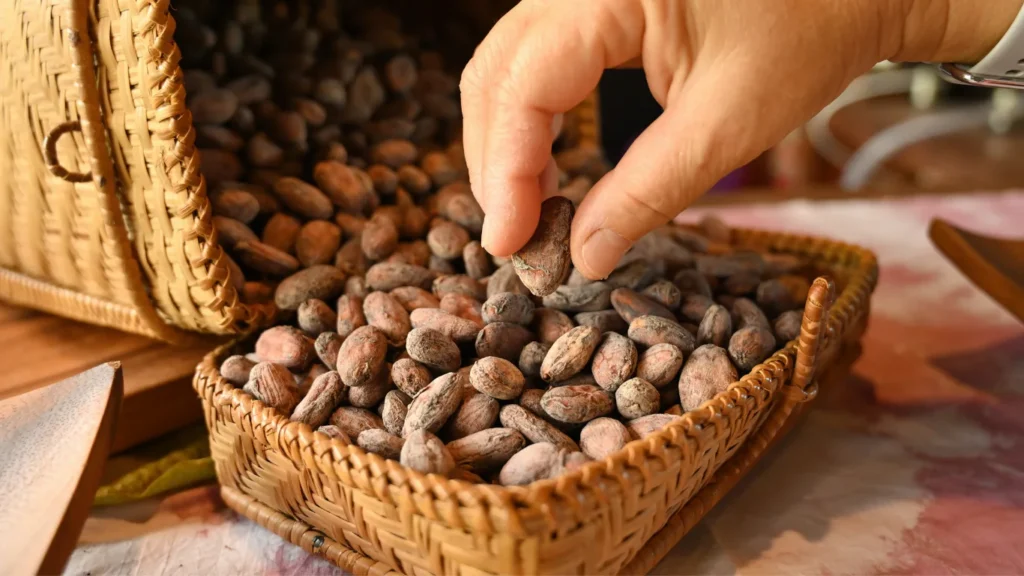
A cocoa powder producer plays a critical role in managing the entire production chain, starting from sourcing cocoa beans to final processing. Beans are carefully selected based on origin, fermentation quality, and moisture content. This initial selection process is essential, as raw material quality directly influences flavor, aroma, and color.

In addition, production standards are implemented to ensure that each batch meets predefined specifications. Through structured quality control, consistency can be maintained even when serving large-scale industrial buyers.

Processing Stages That Shape Cocoa Powder Quality

The production process involves several key stages, each contributing to the final product characteristics. Fermentation and drying at the farm level create flavor precursors, which are later developed during roasting. At this stage, temperature and time are carefully controlled to achieve the desired aroma profile.

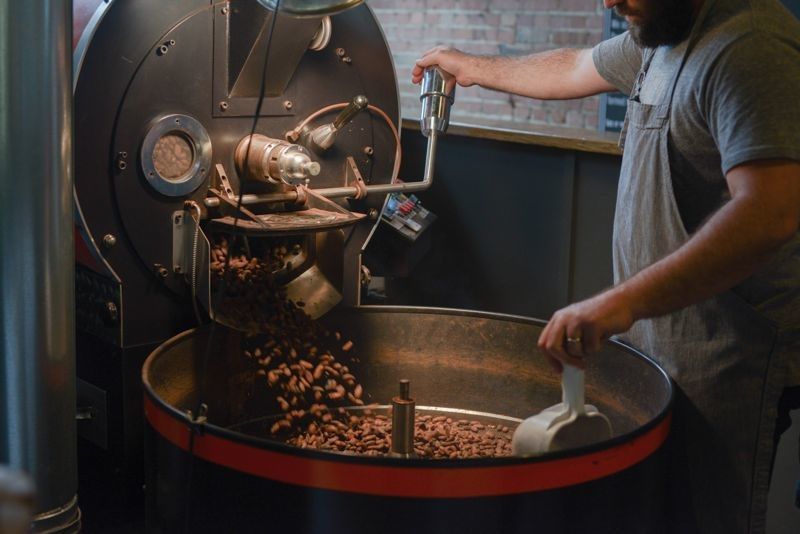
After roasting, cocoa beans are ground and pressed to separate cocoa butter from cocoa cake. The cake is then finely milled into cocoa powder. For certain applications, alkalization may be applied to adjust acidity, color, and solubility. These steps must be precisely managed by the producer to ensure predictable performance across different applications.

Ensuring Consistency for Industrial Applications

For food and beverage manufacturers, consistency is just as important as taste. A reliable cocoa powder producer focuses on particle size distribution, fat content, pH level, and microbiological safety. By maintaining these parameters within strict tolerances, cocoa powder can perform consistently in recipes, whether used in drinks, bakery mixes, or confectionery coatings.

Moreover, traceability and documentation are increasingly expected by global buyers. Producers that implement transparent systems are better positioned to meet regulatory and customer requirements.

Supporting Long-Term Supply and Sustainability

Beyond processing, many producers are also involved in building long-term relationships with cocoa suppliers and farming communities. Through responsible sourcing and farmer engagement, supply continuity can be better secured. As a result, both quality stability and production sustainability can be supported over time.

This approach not only benefits farmers but also strengthens the producer’s ability to deliver dependable products to international markets.

Conclusion

A cocoa powder producer is more than a manufacturer—it is a key partner in delivering quality, consistency, and reliability to the global food industry. By managing raw materials, processing standards, and quality control with precision, producers ensure that cocoa powder meets the technical and sensory expectations of modern manufacturers. In a competitive market, strong production capability remains a defining factor of long-term success.

cocoa powder flavor and aroma

The Science Behind Cocoa Powder’s Flavor and Aroma

Cocoa powder is known for its rich flavor and distinctive aroma, both of which are the result of complex scientific processes that begin long before the cocoa reaches the factory. From fermentation to roasting, a combination of biochemical reactions and physical changes shapes the final sensory profile experienced by consumers.

The Role of Cocoa Beans

The foundation of cocoa powder’s flavor and aroma lies in the cocoa beans themselves. Different cocoa varieties and growing conditions influence the natural chemical composition of the beans. Factors such as soil quality, climate, and harvesting practices determine the levels of sugars, amino acids, and polyphenols—key compounds that later develop into characteristic cocoa notes.

Fermentation: The First Flavor Development Stage

Fermentation is considered the most critical stage in flavor formation. During this process, natural microorganisms break down sugars in the cocoa pulp, producing heat and organic acids. As a result, enzymes inside the beans are activated, leading to the formation of flavor precursors. Without proper fermentation, cocoa powder may taste flat, bitter, or overly astringent.

Drying and Its Impact on Aroma

After fermentation, cocoa beans are dried to reduce moisture and stabilize quality. At this stage, acidity is gradually reduced, while early aroma compounds begin to form. Controlled drying is essential, as excessive heat or uneven drying can cause undesirable off-notes. When managed correctly, drying helps preserve the delicate balance between bitterness, acidity, and cocoa richness.

Roasting and the Maillard Reaction

Roasting is where much of cocoa powder’s signature aroma is developed. Heat triggers the Maillard reaction, a chemical process between amino acids and reducing sugars. This reaction produces hundreds of volatile compounds responsible for roasted, nutty, caramel, and chocolate-like aromas. The roasting profile—time and temperature—plays a significant role in determining whether the final cocoa powder tastes mild, intense, or smoky.

Alkalization and Flavor Modification

In some cocoa powders, alkalization (also known as Dutch processing) is applied. This process alters the pH of the cocoa, reducing acidity and deepening color. As a result, the flavor becomes smoother and less sharp, while certain aroma compounds are modified. Although alkalization can soften bitterness, it must be carefully controlled to avoid losing desirable cocoa notes.

Grinding and Particle Size

Finally, cocoa cake is ground into fine powder. Particle size affects how flavor and aroma are perceived. Finer particles tend to release flavor more evenly, creating a smoother mouthfeel and more balanced taste. Consistent grinding ensures uniform performance in beverages, bakery applications, and confectionery products.

Conclusion

The flavor and aroma of cocoa powder are shaped by a series of scientific processes that begin at the farm and continue through manufacturing. Each stage—fermentation, drying, roasting, and processing—contributes to the final sensory experience. Understanding this science allows manufacturers to produce cocoa powder with consistent quality, distinctive character, and reliable performance across various applications.

sustainable cocoa

Sustainable Cocoa Supply Chain: Why It Matters for Manufacturers

In recent years, greater attention has been given to how cocoa is sourced and processed across the global industry. As a result, a more responsible cocoa supply chain has increasingly been viewed as an essential part of manufacturing operations, rather than an optional initiative.

Sustainability in Cocoa Sourcing

In general, sustainability within cocoa sourcing is understood as an approach where environmental protection, social responsibility, and long-term productivity are taken into account. Farming practices are gradually being improved, while land use is more carefully managed to ensure that natural resources are preserved. At the same time, stronger relationships between manufacturers and suppliers are being established to support transparency and traceability.

Why It Is Important for Manufacturers

First and foremost, supply stability is affected by how cocoa is produced. When farms are poorly managed, yields are reduced and quality becomes inconsistent. For this reason, responsible sourcing practices are increasingly being adopted, as supply risks can be minimized over time.

In addition, product quality is directly influenced by conditions at the farm level. Proper fermentation and post-harvest handling are more likely to be achieved when good agricultural practices are applied. As a result, better consistency in flavor, color, and processing performance can be delivered to manufacturers.

Market Expectations and Regulatory Pressure

Meanwhile, market expectations continue to evolve. In many importing countries, stricter regulations related to traceability and environmental responsibility are being introduced. Consequently, manufacturers are required to demonstrate that their raw materials are sourced responsibly. By aligning with sustainability-oriented suppliers, compliance can be more easily achieved and potential trade barriers can be avoided.

Furthermore, trust is increasingly built through transparency. When sourcing information can be clearly documented, stronger confidence is created among buyers and business partners.

Long-Term Benefits for the Industry

Over the long term, positive impacts are also experienced at the farmer level. Fairer trading conditions and access to training are often provided, which allows farming communities to become more resilient. As livelihoods are improved, continued cocoa production is more likely to be sustained.

At the same time, a more stable supply base is created for manufacturers. This, in turn, supports long-term planning and encourages responsible growth throughout the industry.

Conclusion

Ultimately, a responsible cocoa supply chain is increasingly being recognized as a strategic investment for manufacturers. Not only are supply risks reduced, but quality consistency and regulatory readiness are also strengthened. Therefore, by prioritizing sustainability, manufacturers are better positioned to support a resilient and future-ready cocoa industry.

top cocoa powder

Top Cocoa Powder Quality Parameters Every Buyer Must Check

When evaluating cocoa powder for industrial use, buyers need to understand the quality factors that influence performance, consistency, and product safety. These parameters help identify reliable materials suitable for bakery, confectionery, beverage, and wider food applications.


1. Color Consistency

Color provides the first visual cue of a powder’s quality. Uniformity across batches is essential, as it affects the appearance of the final product. Natural, alkalized, and black cocoa each offer distinct shades, but consistency remains key.


2. pH Level

The pH value influences flavor, color reactions, and baking performance.
General ranges include:

  • Natural cocoa: pH 5.0–6.0

  • Alkalized cocoa: pH 6.8–8.1

  • Black cocoa: pH 7.5–8.5

A stable pH ensures predictable results in formulations.


3. Particle Fineness

Mesh size affects texture and solubility. Finer powders dissolve more easily and blend more smoothly.

Typical specifications:

  • 99% pass 200 mesh (premium)

  • 95% pass 200 mesh (standard)


4. Fat Content

Fat percentage shapes aroma, richness, and mouthfeel. Choose based on product requirements:

  • High fat (20–24%)

  • Medium fat (10–12%)

  • Low fat (8–10%)


5. Moisture and Microbiological Safety

Moisture ideally remains below 5% to prevent clumping and extend shelf life.
Safety testing should confirm:

  • Low total plate count

  • Controlled yeast and mold levels

  • Negative Salmonella


6. Aroma and Flavor Profile

A high-quality cocoa powder should offer a clean, pleasant fragrance without signs of rancidity. Natural variants tend to be brighter, while alkalized types provide a smoother profile. Black cocoa gives a milder aroma due to its higher pH.


7. Solubility

For beverages and instant applications, dispersibility is crucial. Alkalized cocoa generally offers better solubility, making it suitable for drink mixes and dairy products.


8. Contaminant Compliance

Manufacturers exporting to Europe, Australia, or Japan must ensure the powder complies with strict limits on:

  • Cadmium

  • Lead

  • Arsenic

  • Pesticide residues

  • Mycotoxins

Updated laboratory reports help verify compliance.


9. Certifications

Reliable suppliers provide standardized documentation, including:

  • Halal

  • HACCP / ISO

  • FSSC 22000

  • Kosher (optional)

  • Certificate of Analysis (COA)


10. Packaging and Shelf Life

Quality packaging protects the powder from moisture and contamination. Most products maintain a 12–24 month shelf life if stored correctly.

Look for:

  • Food-grade, airtight bags

  • Strong 25 kg packaging or customized options


Conclusion

Assessing factors such as color, pH, fineness, fat content, solubility, and safety helps buyers select cocoa powder that delivers consistent and reliable results across industrial applications. Choosing a trusted supplier ensures quality, compliance, and performance.

mpo500 login

mpo500 login

mpo500 login

mpo500 login

mpo500

mpo500

https://maackitchen.com/

https://solosluteva.com/

mpo login

mpo500 login

mpo500 login

mpo500 login

mpo500 login

mpo500 login

mpo500 login

link mpo500

mpo500

mpo500

https://tropicalfruitsshop.com/

mpo500

https://www.bestpandoraoutlet.com/

mpo500

https://hjeronymus.se/

mpo500 login

mpo500

https://p-walker.org/

https://concept3hairsalon.com/

https://clinica-abando.es/

https://drperezclub.com/

mpo500

mpo500

https://www.sanlepackageco.com/products/

https://www.expertmdcat.com/tag/mdcat

https://lytteltonlights.com/collections/

https://www.bestpandoraoutlet.com/

https://portugal.lairdofblackwood.com/

https://www.encuadremagico.com/

https://noblehalalorganicmeat.com/product-category/steak/

https://pillsburyscarborough.org/accreditation

https://www.bestpandoraoutlet.com/pandora-silver-jewelry

slot777
slot
slot mahjong
slot mahjong

https://www.bluemooring.org/

mpo500 login